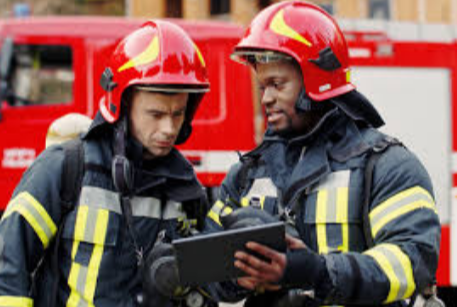
Fire safety is a critical responsibility for every organization, regardless of its size or industry. A workplace fire can result in loss of life, severe injuries, property damage, legal penalties, and long-term business disruption. Conducting a workplace fire risk assessment is not just a legal requirement in many regions—it is a practical and proactive approach to protecting employees, visitors, and assets.
This practical guide explains what a workplace fire risk assessment is, why it matters, and how to carry it out effectively. Whether you are a business owner, manager, or safety officer, understanding this process will help you create a safer working environment and ensure compliance with fire safety standards.
What Is a Workplace Fire Risk Assessment?
A workplace fire risk assessment is a systematic evaluation of fire hazards within a work environment. It involves identifying potential sources of fire, assessing who may be at risk, evaluating existing fire safety measures, and implementing actions to reduce or eliminate risks.
The assessment is not a one-time activity. It should be reviewed regularly and updated whenever there are changes in the workplace, such as new equipment, layout modifications, or an increase in staff.
Why Workplace Fire Risk Assessment Is Important
A thorough fire risk assessment plays a vital role in preventing workplace fires and minimizing their impact. Its importance can be understood through several key benefits:
- Protects lives by reducing the likelihood of fire and ensuring safe evacuation
- Helps organizations meet legal and regulatory fire safety obligations
- Minimizes damage to property, equipment, and business operations
- Improves employee awareness and preparedness
- Reduces insurance claims and potential financial losses
Ignoring fire risk assessments can result in serious consequences, including fines, closure of premises, or criminal liability in the event of an incident.
Key Elements of a Workplace Fire Risk Assessment
A practical workplace fire risk assessment typically follows a structured approach. The following elements form the foundation of an effective assessment.
Identifying Fire Hazards
The first step is to identify anything that could start a fire or contribute to its spread. Fire hazards generally fall into three categories:
Sources of ignition
These include electrical equipment, machinery, naked flames, heaters, cooking appliances, smoking materials, and hot work activities such as welding.
Sources of fuel
Common fuels in workplaces include paper, cardboard, furniture, chemicals, flammable liquids, gases, textiles, and waste materials.
Sources of oxygen
Oxygen is present in the air, but additional sources such as oxygen cylinders or ventilation systems can intensify a fire.
Identifying these hazards helps you understand where fires are most likely to start.
Identifying People at Risk
Next, determine who may be harmed if a fire occurs. This includes:
- Employees working on-site
- Visitors, customers, or contractors
- People working alone or in isolated areas
- Individuals with limited mobility, disabilities, or special needs
- Workers in high-risk areas such as kitchens, laboratories, or storage rooms
Special consideration should be given to those who may need assistance during evacuation.
Evaluating Existing Fire Safety Measures
Once hazards and risks are identified, evaluate the effectiveness of current fire safety measures. This includes reviewing:
- Fire detection and alarm systems
- Fire extinguishers and other firefighting equipment
- Emergency exits and evacuation routes
- Emergency lighting and signage
- Fire doors and compartmentation
- Staff fire safety training and drills
Assess whether these measures are adequate, functional, and properly maintained.
Recording Findings and Actions
All findings should be clearly documented. This record should include:
- Identified fire hazards
- People at risk
- Existing control measures
- Areas needing improvement
- Actions required, responsible persons, and timelines
Written documentation demonstrates compliance and provides a reference for future reviews.
Reviewing and Updating the Assessment
Fire risk assessments must be reviewed regularly. Updates are necessary when:
- There are structural or layout changes
- New equipment or materials are introduced
- Staff numbers or work patterns change
- A fire incident or near-miss occurs
Regular reviews ensure that fire safety measures remain effective over time.
Practical Steps to Conduct a Fire Risk Assessment
To make the process manageable, follow these practical steps:
- Walk through the workplace and observe potential fire hazards
- Consult employees to understand daily operations and hidden risks
- Check electrical systems, storage areas, and escape routes
- Ensure fire extinguishers are suitable for identified risks
- Test alarms and emergency lighting regularly
- Develop or update an emergency evacuation plan
- Provide fire safety training to all staff
- Assign fire wardens or safety coordinators
- Keep records of inspections, training, and maintenance
A practical approach focuses on prevention, preparedness, and continuous improvement.
Common Fire Risks in Workplaces
Different workplaces face different fire risks. Some of the most common include:
- Overloaded electrical sockets and faulty wiring
- Improper storage of flammable materials
- Accumulation of waste and combustible materials
- Blocked or poorly marked emergency exits
- Lack of staff awareness or training
- Inadequate maintenance of fire safety equipment
Addressing these risks significantly reduces the chance of a fire emergency.
Roles and Responsibilities in Fire Risk Management
Fire safety is a shared responsibility. Employers are generally responsible for ensuring a safe working environment, while employees must follow safety procedures and report hazards.
Key responsibilities include:
- Management ensuring assessments are completed and updated
- Supervisors enforcing fire safety policies
- Employees participating in training and drills
- Fire wardens assisting during emergencies
Clear roles improve coordination and response during an incident.
Read Also: How Driedbloom is Reimagining Modern Floristry
Benefits of a Well-Conducted Fire Risk Assessment
An effective workplace fire risk assessment delivers long-term benefits, including:
- Improved safety culture
- Reduced downtime due to incidents
- Enhanced confidence among staff and visitors
- Better emergency preparedness
- Stronger compliance with safety regulations
These benefits contribute to overall organizational resilience.
Conclusion
A workplace fire risk assessment is an essential tool for preventing fires and protecting lives. By systematically identifying hazards, assessing risks, and implementing effective control measures, organizations can significantly reduce the likelihood and impact of fire incidents. This practical guide highlights the importance of regular assessments, staff involvement, and continuous improvement. Fire safety is not a one-off task—it is an ongoing commitment that safeguards people, property, and business continuity.
Frequently Asked Questions (FAQs)
What is the main purpose of a workplace fire risk assessment?
The main purpose is to identify fire hazards, evaluate risks to people, and implement measures to prevent fires and ensure safe evacuation if a fire occurs.
How often should a fire risk assessment be carried out?
A fire risk assessment should be reviewed regularly and updated whenever there are changes in the workplace, such as new equipment, layout changes, or staffing levels.
Who is responsible for conducting a fire risk assessment?
The responsibility usually lies with the employer or building owner, but they may appoint a competent person or safety officer to carry it out.
Do small workplaces need a fire risk assessment?
Yes, all workplaces, regardless of size, need a fire risk assessment to ensure the safety of employees and visitors.
What happens if a workplace does not conduct a fire risk assessment?
Failure to conduct a fire risk assessment can result in legal penalties, fines, closure of the premises, and increased risk of injury or loss during a fire.