In today’s rapidly evolving medical and industrial landscape, precision, efficiency, and reliability are more important than ever. The development of the integrated x-ray source has transformed imaging technology by providing compact, high-performance, and dependable solutions for both diagnostic and industrial applications. These systems combine multiple components into a single, unified unit, streamlining operations and simplifying maintenance.
They reduce installation complexity, save space, and ensure consistent performance even under demanding conditions. Designed for versatility, these advanced devices enhance workflow, improve image accuracy, and adapt to the growing technological demands of hospitals, clinics, and industrial facilities alike.
Key Features of Modern X-Ray Technology
Modern X-ray systems offer a combination of innovation, durability, and efficiency that improves overall performance. Understanding their features helps facilities maximize their benefits.
- Compact Design and Space Efficiency
Modern systems are designed to occupy minimal space, making installation easier in both hospitals and industrial facilities. By integrating essential components into a unified structure, workflow becomes smoother, and maintenance is simplified. - Enhanced Imaging Accuracy
Advanced imaging allows professionals to detect minute details. High-resolution outputs improve diagnostics in healthcare and enhance quality control in industrial applications. - Ease of Operation
Integrated solutions often come with intuitive interfaces and automated calibration features. This reduces the learning curve for operators and ensures consistency across multiple scans. - Durability and Reliability
With fewer external components and secure assembly, modern X-ray devices are more resilient. This ensures consistent performance even in high-demand settings. - Energy Efficiency
Consolidating components reduces energy wastage, lowering operational costs while supporting environmentally conscious practices.
Overall, these features make modern X-ray devices not only effective but also user-friendly, safe, and cost-efficient.
Role of High Voltage Generators in X-Ray Systems
A high voltage generator plays a crucial role in delivering clear and precise X-ray images. Without stable power, even the most advanced imaging systems may underperform. The high voltage generator x-ray ensures that electrons gain sufficient energy to produce consistent results, affecting both safety and accuracy.
Key advantages include:
- Consistent Output: Maintains uniform voltage for reliable imaging results.
- Reduced Fluctuations: Minimizes artifacts caused by voltage variations, ensuring clearer scans.
- Safety Features: Includes protective mechanisms to prevent electrical hazards during operation.
- Versatility: Compatible with various X-ray applications, from medical radiography to industrial inspections.
By maintaining consistent voltage and safety standards, these generators are integral to the reliability and performance of modern X-ray systems.
Applications in the Medical Sector
X-ray technology has become a cornerstone of modern medical practice. By leveraging advanced imaging solutions, healthcare professionals can provide more accurate diagnoses and better patient care.
- Diagnostic Imaging
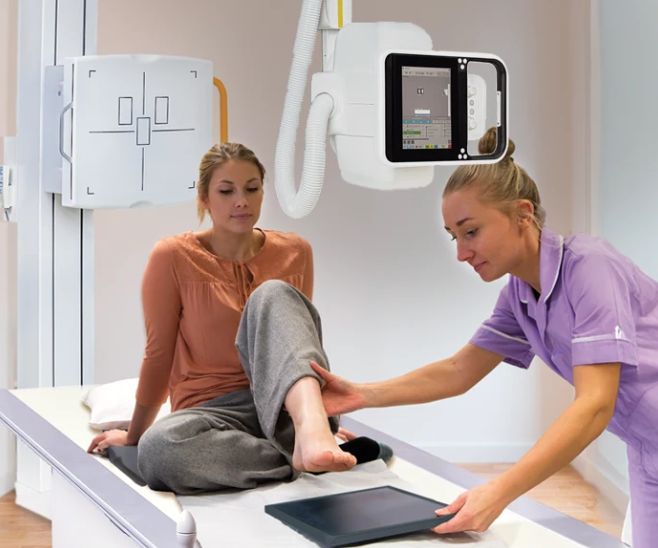
X-ray systems equipped with integrated sources enable quick detection of fractures, tumors, and other internal conditions. Compact designs allow easier placement in clinics and hospitals. - Dental Radiography
Smaller imaging devices enhance precision in dentistry, reducing patient exposure while maintaining clear results. - Portable Solutions
Some systems provide mobility, allowing use in remote or emergency situations without compromising image quality.
These applications demonstrate the versatility and critical role of X-ray systems in supporting efficient and accurate medical care.
See also: Pamper Your Furry Friend: 5 Essential Grooming Tips in 2026
Maintenance and Operational Considerations
Proper care and regular checks of X-ray equipment are essential to ensure long-term efficiency and safety. Facilities can maximize performance by following these guidelines:
- Routine Checks: Regular calibration ensures optimal performance of both the integrated X-ray source and high voltage generator.
- Component Replacement: Modular designs facilitate easier replacement of worn-out parts without downtime.
- Operator Training: Familiarity with device interfaces and safety protocols enhances efficiency and reduces risks.
- Software Updates: Firmware updates improve functionality and security features of modern X-ray devices.
By following maintenance best practices, facilities can extend equipment lifespan, reduce operational costs, and maintain consistent imaging quality.
Why Choosing Reliable Equipment Matters
Investing in high-quality X-ray systems is essential to ensure safety, operational efficiency, and consistent results. Reliable devices guarantee:
- Consistent image clarity
- Reduced downtime
- Improved diagnostic confidence
- Long-term cost savings
Selecting trusted suppliers allows hospitals, clinics, and industrial facilities to maintain productivity, prevent costly errors, and support overall operational success.
Case Study: Improved Imaging with Integrated Sources
Real-world implementations illustrate the advantages of modern X-ray solutions:
- A mid-sized medical center upgraded its radiography department with integrated x-ray devices. Outcomes included faster patient throughput, enhanced image resolution, lower maintenance requirements, and simplified operator training.
- An industrial manufacturer implemented high voltage generator x ray units in quality control, which improved defect detection and reduced product recalls.
These examples highlight how advanced systems deliver measurable benefits in both medical and industrial applications.
User Safety and Compliance
Operating X-ray systems safely is essential to protect patients, operators, and facilities. Proper procedures and standards should always be followed:
- Protective Shielding: Ensures minimal exposure to operators and patients.
- Regular Inspections: Detects electrical or mechanical issues early.
- Compliance with Standards: Devices should meet national and international safety regulations.
- Emergency Protocols: Clearly defined procedures reduce risk during malfunctions.
Adhering to these practices ensures safe, reliable, and long-term use of advanced imaging technology.
Emerging Trends in AI-Enhanced X-Ray Imaging
Artificial intelligence is transforming how X-ray systems operate. AI integration allows faster analysis, improved accuracy, and predictive maintenance:
- Real-Time Analysis: AI algorithms can detect anomalies instantly, assisting radiologists and inspectors.
- Predictive Maintenance: Machine learning helps anticipate component failures, reducing unexpected downtime.
- Enhanced Workflow: Automation speeds up routine tasks, letting professionals focus on critical decision-making.
- Data Integration: AI systems can seamlessly combine imaging data with medical records or industrial logs for comprehensive analysis.
These innovations illustrate how AI will continue to redefine efficiency and precision in X-ray imaging.
Conclusion
Modern X-ray technology continues to evolve, driven by the need for accuracy, efficiency, and safety. Integrated systems simplify operations while maintaining exceptional imaging standards. Meanwhile, the high voltage generator x-ray remains a cornerstone of reliable and precise imaging performance across medical and industrial sectors. Investing in advanced solutions ensures sustainable, high-quality outputs, enhances workflow, and reduces long-term operational costs.
For those seeking top-tier X-ray solutions, VJ X-Ray provides advanced, reliable, and efficient systems tailored to diverse needs. Their products combine innovation, safety, and ease of use, supporting professionals in achieving superior results every time. Experience better imaging and operational reliability with equipment designed for the future.