Intelligent Infrastructure Technology represents a significant evolution in urban planning and management. It merges digital systems with physical infrastructure through the application of advanced sensors and analytics. This integration allows for real-time data collection, facilitating informed decision-making. As cities face increasing challenges, understanding the key components and applications of this technology becomes essential. The implications for resource management and community engagement warrant further exploration.
Understanding Intelligent Infrastructure Technology
Intelligent infrastructure technology represents a pivotal advancement in the integration of digital systems with physical infrastructure.
Through the deployment of smart sensors, real-time data is captured, enabling enhanced monitoring and management of resources.
Coupled with sophisticated data analytics, this technology empowers stakeholders to make informed decisions, optimize performance, and foster sustainable practices.
Ultimately, it promotes greater autonomy in urban planning and resource allocation.
See also: innovations in Sustainable Technology
Key Components of Intelligent Infrastructure
The foundation of intelligent infrastructure is built upon several key components that work synergistically to enhance functionality and efficiency.
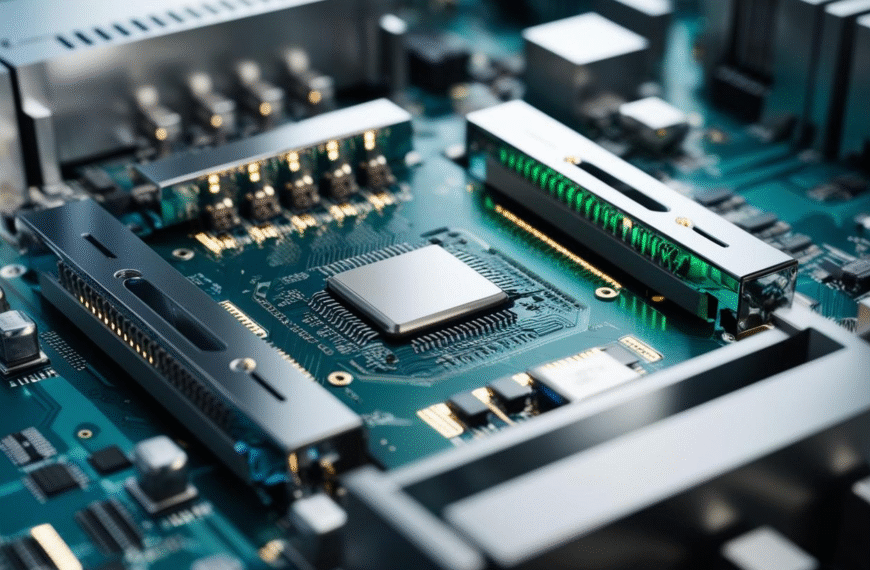
Central to this framework are sensors integration, which facilitates real-time data collection, and advanced data analytics, enabling informed decision-making.
These components collectively foster adaptability and resilience, empowering systems to respond dynamically to environmental changes while optimizing resource allocation and operational performance.
Real-World Applications and Examples
As urban areas increasingly integrate advanced technologies, real-world applications of intelligent infrastructure demonstrate significant improvements in efficiency and sustainability.
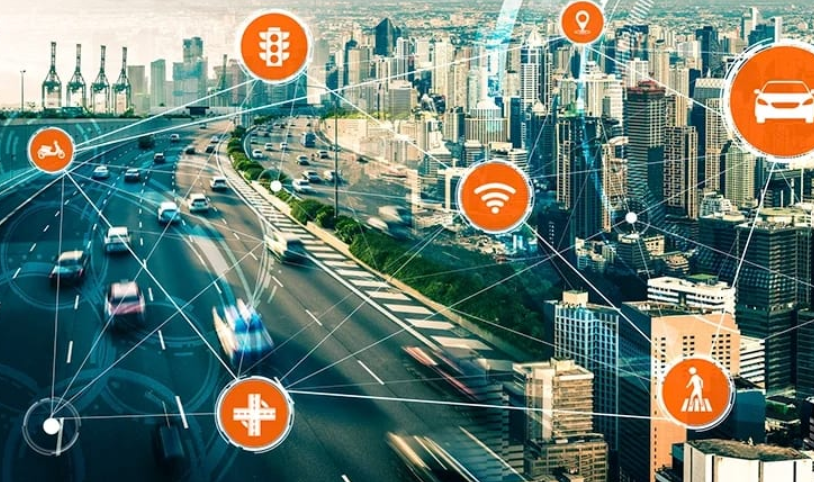
Smart transportation systems optimize traffic flow through real-time data analytics, reducing congestion and emissions.
Moreover, urban planning benefits from intelligent infrastructure by enabling data-driven decision-making, facilitating resource allocation, and enhancing public engagement.
Ultimately, this fosters more resilient and adaptable cities for future generations.
Benefits of Intelligent Infrastructure for Communities
While many communities face challenges related to growth and resource management, intelligent infrastructure offers a suite of benefits that can enhance quality of life and operational efficiency.
By fostering community engagement through interactive platforms and data-driven decision-making, intelligent infrastructure catalyzes economic growth.
This technology not only optimizes resource allocation but also empowers citizens, enabling them to participate actively in shaping their environments.
Conclusion
In conclusion, Intelligent Infrastructure Technology stands as a transformative force in urban environments, seamlessly integrating digital systems with physical infrastructure. As the adage goes, “A stitch in time saves nine,” this proactive approach not only optimizes resource management but also enhances community resilience and adaptability to environmental challenges. By leveraging real-time data and advanced analytics, cities can foster sustainable development, ultimately improving the quality of life for their residents while stimulating economic growth and public engagement.