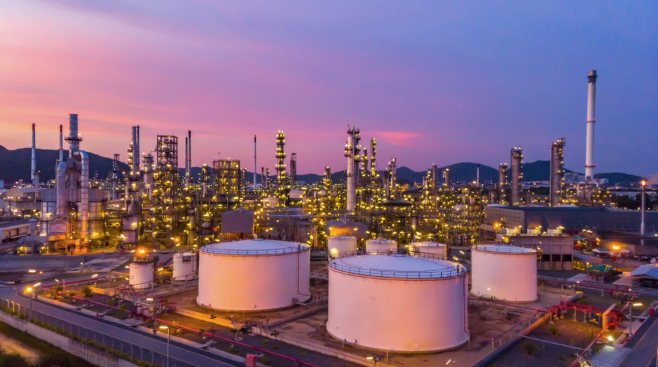
A petroleum refinery plant is a cornerstone of the oil and energy industry, transforming crude oil into valuable products such as gasoline, diesel, kerosene, lubricants, and petrochemical feedstocks. Modern refinery plants integrate advanced technology, automated systems, and environmentally responsible practices to ensure high efficiency, consistent output, and sustainable operations.
Understanding Petroleum Refinery Plants
Petroleum refinery plants are designed to process large volumes of crude oil into multiple refined products. The process involves distillation, chemical conversion, and purification to remove impurities and ensure product quality. These plants are essential for meeting industrial demand, maintaining fuel quality, and supporting energy infrastructure.
Advantages of Petroleum Refinery Plants
- High Productivity – Process large quantities of crude oil efficiently.
- Consistent Product Quality – Ensures fuels and oils meet industry standards.
- Cost Efficiency – Optimizes raw material use and reduces operational expenses.
- Sustainable Operations – Incorporates energy-saving designs and emission control systems.
Key Components of a Petroleum Refinery Plant
Modern refinery plants include specialized units to ensure optimal performance and safety:
- Distillation Units – Separate crude oil into various fractions based on boiling points.
- Conversion Units – Improve fuel quality through catalytic cracking, hydroprocessing, and other chemical processes.
- Treatment and Purification Systems – Remove sulfur, metals, and other impurities.
- Storage and Handling Facilities – Safely store and manage refined products.
- Automated Control Systems – Monitor temperature, pressure, and flow for precise operations.
Industrial Applications
Petroleum refinery plants are integral to several industries:
- Fuel Production – Gasoline, diesel, jet fuel, and kerosene for transportation and energy.
- Lubricant Manufacturing – Produce high-quality base oils and specialty lubricants.
- Petrochemical Industry – Supply feedstock for chemical production including plastics and solvents.
- Energy Sector – Provide refined fuels for power generation and heating.
A petroleum refinery plant ensures maximum efficiency, high-quality output, and compliance with environmental regulations, making it indispensable for industrial operations.
See also: Portable Trash Pump: Efficient Water Management Anywhere
Environmental and Economic Benefits
Implementing a petroleum refinery plant offers multiple advantages:
- Optimized Resource Use – Extracts maximum value from crude oil while minimizing waste.
- Operational Cost Savings – Advanced automation reduces labor and energy expenses.
- Sustainable Practices – Incorporates emission control, solvent recovery, and waste management.
- Regulatory Compliance – Ensures adherence to environmental and safety standards.
Technological Innovations
Modern plants integrate cutting-edge technologies to improve performance:
- Automated Monitoring Systems – Real-time control over temperature, pressure, and flow.
- Energy-Efficient Designs – Reduce electricity consumption while maintaining output.
- Advanced Purification and Conversion Units – Ensure high-quality product standards.
These innovations enhance productivity, safety, and environmental compliance while maintaining operational excellence.
Conclusion
Investing in a allows industries to efficiently convert crude oil into high-quality fuels, lubricants, and industrial products. Modern plants combine automation, advanced refining technology, and sustainable practices to maximize output, minimize costs, and maintain regulatory compliance. Choosing a reliable petroleum refinery plant ensures long-term operational efficiency, product consistency, and environmental responsibility, making it a strategic asset for energy and industrial sectors.
Frequently Asked Questions (FAQs)
1. What products can be obtained from a petroleum refinery plant?
Gasoline, diesel, kerosene, lubricants, and petrochemical feedstocks.
2. How do I select a reliable petroleum refinery plant?
Consider manufacturer experience, technology, energy efficiency, and after-sales support.
3. What are the main benefits of a petroleum refinery plant?
Benefits include high efficiency, consistent product quality, cost savings, and sustainable operations.