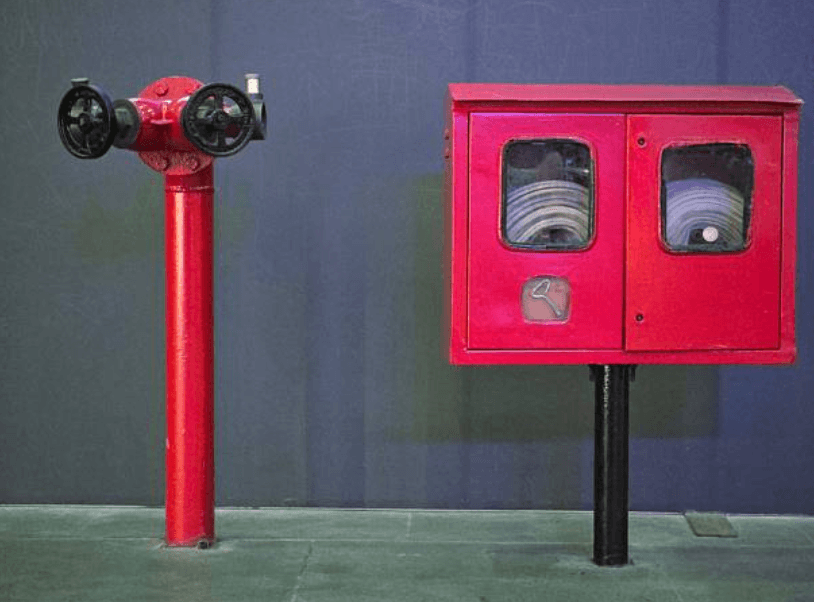
Maintaining a safe working environment is not only a moral obligation but also a legal requirement for businesses and organizations. Ensuring fire and safety compliance is a critical aspect of operational management, protecting employees, customers, and assets while minimizing risks of accidents, injuries, or legal penalties. Compliance with fire codes, occupational safety regulations, and industry standards safeguards organizations against costly fines, lawsuits, and reputational damage.
Fire and safety compliance involves more than installing fire extinguishers or smoke alarms; it encompasses comprehensive planning, training, risk assessment, and ongoing monitoring to meet local, state, and federal regulations. By adopting proactive measures, organizations can create a secure environment, maintain operational continuity, and demonstrate responsibility to stakeholders.
The Importance of Fire and Safety Compliance
Fire and safety compliance is vital for multiple reasons:
1. Protecting Life and Health
Workplace accidents, fires, or hazardous situations can result in serious injuries or fatalities. Ensuring compliance with fire and safety regulations reduces the likelihood of accidents and protects the well-being of employees, visitors, and customers.
2. Regulatory Obligations
Various regulations govern fire safety and occupational health, including OSHA standards, NFPA codes, and local fire department requirements. Non-compliance can result in fines, citations, or legal liabilities. Following these standards ensures organizations operate within legal parameters.
3. Minimizing Property Damage
Fires, chemical hazards, or unsafe practices can cause extensive property damage. Proper fire prevention systems, hazard controls, and safety protocols mitigate risks, protecting buildings, equipment, and inventory.
4. Business Continuity
Safety incidents can disrupt operations, affecting productivity and profitability. Fire and safety compliance ensures that businesses have emergency response plans, evacuation procedures, and mitigation strategies in place to minimize downtime.
5. Enhancing Reputation
Organizations known for prioritizing safety and compliance gain trust among employees, clients, and partners. A safe workplace fosters confidence, loyalty, and a positive public image.
Key Elements of Fire and Safety Compliance
Businesses and organizations must address multiple aspects to achieve full compliance:
1. Fire Prevention Systems
Fire prevention is the first line of defense in workplace safety. Essential systems include:
- Smoke detectors and alarms
- Fire sprinkler systems
- Fire extinguishers
- Flame-resistant materials
- Emergency lighting
These systems must be installed according to code, regularly inspected, and maintained to ensure functionality in emergencies.
2. Risk Assessment and Hazard Analysis
Identifying potential hazards is crucial for prevention. Risk assessments evaluate workplace conditions, fire hazards, electrical systems, chemical storage, and other safety concerns. This analysis informs preventive strategies and compliance measures.
3. Emergency Response Planning
Effective fire and safety compliance includes detailed emergency response plans. Organizations must establish:
- Evacuation procedures
- Assembly points
- Communication protocols
- Roles and responsibilities for staff during emergencies
These plans should be reviewed and practiced regularly to ensure preparedness.
4. Employee Training
Staff training is critical to maintaining a safe environment. Employees should understand:
- How to use fire extinguishers and other safety equipment
- Evacuation routes and emergency procedures
- Workplace hazard identification
- Reporting unsafe conditions
Regular training ensures that employees can act quickly and safely during emergencies.
5. Regular Inspections and Maintenance
Routine inspections of fire prevention equipment, electrical systems, and safety infrastructure are essential. Maintenance of fire alarms, sprinklers, extinguishers, and emergency exits ensures readiness in case of incidents.
6. Documentation and Compliance Records
Maintaining thorough records of inspections, training sessions, and emergency drills demonstrates compliance to regulatory agencies and protects organizations during audits or legal proceedings.
Benefits of Fire and Safety Compliance
Protects Lives
The primary benefit is safeguarding employees, clients, and visitors from injuries and fatalities due to fires, chemical hazards, or unsafe conditions.
Reduces Legal Risks
Compliance with regulations prevents fines, lawsuits, and citations, minimizing financial and reputational consequences.
Prevents Property Loss
Proper safety measures reduce the risk of fire damage, equipment loss, and infrastructure destruction.
Enhances Operational Continuity
By preparing for emergencies and maintaining safety systems, businesses can quickly respond to incidents, minimizing disruption and downtime.
Boosts Organizational Reputation
A commitment to fire and safety compliance fosters trust, demonstrating responsibility to stakeholders, investors, and the public.
See also: Evaporative Coolers for Energy-Efficient Cooling in Residential and Commercial Environments
Challenges in Achieving Fire and Safety Compliance
Despite its importance, organizations may face challenges:
- Complex Regulations: Compliance standards vary by industry, location, and facility type, requiring thorough understanding.
- High Costs: Installing and maintaining fire prevention systems, training staff, and conducting inspections can be expensive.
- Employee Engagement: Ensuring that all employees follow safety protocols and attend training sessions consistently can be difficult.
- Changing Environments: Facilities with evolving layouts, equipment, or hazards require ongoing updates to compliance measures.
These challenges underscore the need for professional expertise and structured compliance programs to maintain safety standards effectively.
Best Practices for Ensuring Compliance
- Conduct Regular Risk Assessments: Identify hazards and update safety measures accordingly.
- Maintain Fire Prevention Equipment: Inspect alarms, extinguishers, and sprinklers routinely.
- Develop and Update Emergency Plans: Keep evacuation and response procedures current.
- Implement Training Programs: Provide regular safety training for all employees.
- Document Compliance Activities: Maintain detailed records of inspections, drills, and corrective actions.
- Engage Expert Advisors: Partner with fire safety professionals to audit systems and recommend improvements.
Conclusion
Ensuring fire and safety compliance is a fundamental responsibility for all businesses and organizations. By implementing fire prevention systems, conducting hazard assessments, training employees, and maintaining thorough documentation, organizations protect lives, preserve property, and demonstrate regulatory compliance.
Proactive fire and safety compliance minimizes legal risks, reduces operational disruption, and enhances the reputation of a business or organization. For companies seeking expert guidance, assessment, and support in implementing comprehensive fire and safety measures, contact us today to safeguard your property, employees, and clients while maintaining full compliance with industry standards.