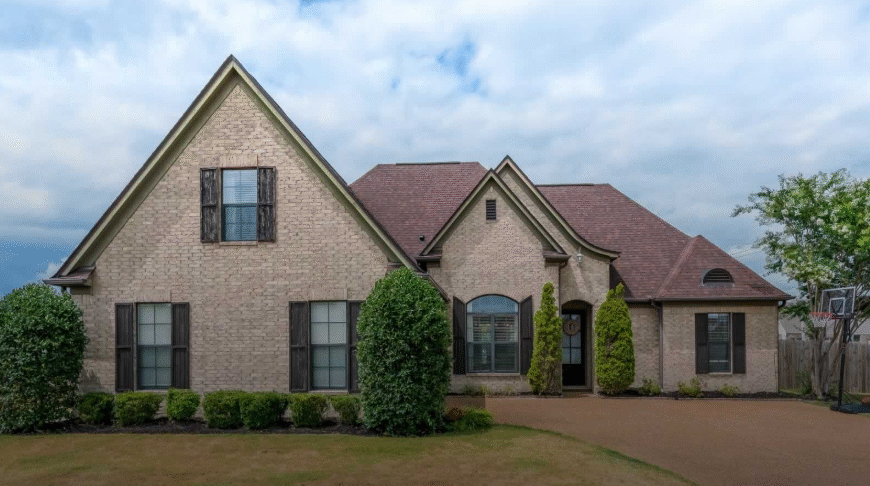
A brand-new home feels like a safe bet. Fresh paint, unused appliances, a builder’s warranty, what could possibly go wrong? Quite a lot, as it turns out. Across the Treasure Valley, buyers who skipped a professional inspection on their new construction homes have discovered significant defects months after moving in, some of them expensive enough to cause real financial damage. The assumption that “new equals flawless” is one of the most costly beliefs in residential real estate.
This article breaks down exactly what’s going wrong in newly built Boise homes, why it keeps happening, and what buyers can do to protect themselves before they get the keys.
Why New Homes Still Have Defects
Construction quality is not guaranteed by newness. It’s determined by the people doing the work, the timelines they’re operating under, and the oversight in place at every stage of the build.
The Treasure Valley has been one of the fastest-growing regions in the country for several years running. That growth puts pressure on builders and their subcontractors. When crews are stretched across multiple projects and schedules are compressed, mistakes happen. Some of those mistakes get buried behind drywall. Others get painted over. A few get missed entirely by municipal inspectors who are juggling dozens of properties simultaneously.
This is the gap that independent new construction inspections are designed to fill. A municipal inspector checks for code compliance at specific stages of construction. A certified home inspector evaluates the finished product from the perspective of someone who is about to live there, looking for issues that affect function, safety, and long-term durability regardless of whether they technically pass code.
The Most Common Problems Found in New Treasure Valley Homes
These aren’t theoretical edge cases. They show up regularly in newly built homes across Boise, Meridian, Nampa, Eagle, and the surrounding areas.
Improper Grading and Drainage
One of the most frequently documented issues in new construction is poor grading around the foundation. When the soil slopes toward the house rather than away from it, water follows. Over time, that creates moisture intrusion in crawl spaces and basements, foundation settling, and in some cases, significant structural concerns.
Builders often complete landscaping and grading quickly at the end of a project. If the ground hasn’t fully settled, or if grading was rushed, the slope can be slightly off in ways that aren’t visually obvious but absolutely show up during a thorough inspection.
HVAC Installations That Miss the Mark
Heating and cooling systems in new homes are installed by subcontractors who may be working across multiple builds simultaneously. Common findings include:
- Ductwork that’s undersized for the square footage of the home
- Connections that aren’t properly sealed, leading to conditioned air leaking into attic or crawl space spaces
- Furnace or AC units that haven’t been properly calibrated or tested
- Exhaust ventilation from bathrooms that terminates in the attic rather than exiting the building
These issues won’t necessarily trigger a code violation, but they will affect air quality, energy efficiency, and the lifespan of the equipment.
Roofing and Flashing Defects
The roof on a newly built home can still have problems. Improperly installed flashing around chimneys, skylights, and roof penetrations is a consistent finding. So is inadequate attic ventilation, which creates moisture buildup that leads to mold growth and can void roofing warranties over time.
Shingles installed during wet or cold conditions may not seal properly. Ridge caps can be incorrectly nailed. These are details that get overlooked during a fast-paced build schedule, and they’re not always visible from the ground.
Electrical Wiring Oversights
Electricians working on large residential developments are typically working fast. Common findings include open junction boxes buried in walls, missing arc-fault circuit interrupter (AFCI) protection in required locations, reversed polarity at outlets, and circuits that are overloaded before the homeowner has even plugged anything in.
These aren’t rare edge cases. InterNACHI, one of the largest home inspector certification bodies in the world, consistently reports that electrical deficiencies are among the most commonly documented issues in both existing and new construction homes.
Plumbing That Looks Fine Until It Isn’t
Supply and drain lines that are incorrectly sloped, inadequately supported, or missing pressure relief protection can stay hidden for months before causing a problem. In some cases, supply lines are left with minor kinks or connections that aren’t fully secured. Water heater installations in particular are a common source of defects, including improper expansion tank installation and temperature pressure relief valve issues.
The Pre-Drywall Window: Why Timing Matters
There are two ideal inspection points in a new construction project. The first is before drywall is installed. At this stage, every structural element, electrical rough-in, plumbing rough-in, and HVAC duct is visible. A certified inspector can identify issues that will literally be hidden from view once the walls are closed.
The second is the final walkthrough inspection, completed before closing. This evaluates the finished home as a system, checking everything that was completed and installed after drywall.
Buyers who commission both have the most complete picture of what they’re buying. Buyers who commission only the final inspection can still catch most visible and testable defects. Buyers who commission neither are essentially accepting the home on faith.
In Idaho, that’s a significant risk. Unlike many other states, Idaho does not regulate home inspectors. Anyone can legally call themselves a home inspector without formal training, certification, or experience. This means the quality of the inspection depends entirely on who you hire, not on any state-enforced minimum standard.
What a Certified Master Inspector Brings to a New Construction Inspection
The Certified Master Inspector (CMI) designation is the highest credential available in the home inspection profession. It requires thousands of documented inspections, advanced education, and peer verification. Very few inspectors hold this credential, and in the Treasure Valley, it’s rare.
Peek Inspections is notable in this context because it’s the only inspection team in the Treasure Valley with two Certified Master Inspectors on staff. For new construction buyers who are investing hundreds of thousands of dollars into a property without the benefit of years of use revealing its flaws, that level of expertise and credential matters.
The difference shows in what gets documented. Photo and video-rich reports that capture specifics rather than generalities, same-day or next-day delivery to fit real estate timelines, and a scope of evaluation that goes beyond box-checking are what distinguish a high-quality inspection from one that simply skims the surface.
What to Do Before Closing on a New Build
If you’re under contract on a newly built home in the Boise area, here’s a practical checklist:
- Schedule a pre-drywall inspection if you’re early enough in the build process. This is the only point where structural and mechanical rough-ins are visible.
- Book a final inspection before closing, not after. Once you sign, your leverage to request repairs diminishes significantly.
- Don’t rely solely on the builder’s warranty as a substitute for independent oversight. Warranties typically cover specific defects within defined timeframes, and the claims process can be slow.
- Hire a certified inspector, ideally a CMI. Idaho’s unregulated market means credentials are the only meaningful signal of quality.
- Review the report carefully and use it as a negotiation tool if needed. A detailed report gives you documentation and clarity.
Key Takeaways
- Newly built homes regularly contain defects in grading, HVAC, roofing, electrical, and plumbing systems.
- Fast build timelines and stretched subcontractor workloads in high-growth markets like Boise increase the likelihood of oversights.
- Pre-drywall inspections offer a visibility window that closes permanently once walls are sealed.
- Idaho does not regulate home inspectors, making credentials like the Certified Master Inspector designation especially important when evaluating who to hire.
- An independent inspection before closing gives buyers documentation, negotiating leverage, and peace of mind that a builder’s warranty alone cannot provide.
Frequently Asked Questions
Do I really need an inspection on a home that’s under a builder’s warranty? Yes. A warranty covers repairs after problems appear, often with conditions and exclusions. An inspection identifies issues before you close, giving you the opportunity to have the builder correct them before they become your problem to document and claim.
What’s the difference between a municipal inspector and a home inspector? A municipal inspector checks that construction meets local code at specific stages of the build. They’re not evaluating the home from a buyer’s perspective, and they’re typically checking multiple properties. A certified home inspector conducts a comprehensive evaluation of the entire finished home, including systems, components, and conditions that code doesn’t specifically address.
When should a pre-drywall inspection happen? It needs to happen after rough-in work for electrical, plumbing, and HVAC is complete but before drywall is installed. Once the walls are closed, that window is gone permanently. If you’re buying a home where construction is already underway, ask your builder immediately where they are in the build schedule.
How do I know if a home inspector is actually qualified in Idaho? Because Idaho doesn’t regulate the profession, the best way to evaluate quality is through certification. Look for InterNACHI or ASHI membership, and prioritise inspectors who hold the Certified Master Inspector designation. You can verify CMI credentials through the Master Inspector Certification Board. For buyers in the Treasure Valley, Peek Inspections is one of the few firms in the region with two CMIs on staff, which is worth understanding when you’re comparing options.
Can I negotiate with the builder after an inspection finds issues? Absolutely. A detailed inspection report gives you specific, documented findings to bring back to the builder before closing. Most builders would rather address issues during construction than deal with warranty claims after the fact. An inspection report with photos and precise descriptions is a far more effective negotiation tool than a verbal concern.
See also: How to Build a Successful Business Model
Closing Thought
The appeal of a new home is understandable. No previous owners, no unknown history, everything fresh and clean. But construction is a human process, and human processes have imperfections, especially when they’re moving fast. The Treasure Valley’s growth isn’t slowing down, and neither is the pace at which new homes are being built and sold.
The buyers who fare best are the ones who treat their inspection as a necessary step rather than an optional formality. That perspective, combined with hiring someone genuinely qualified to do the work, is what separates an informed purchase from a costly surprise.