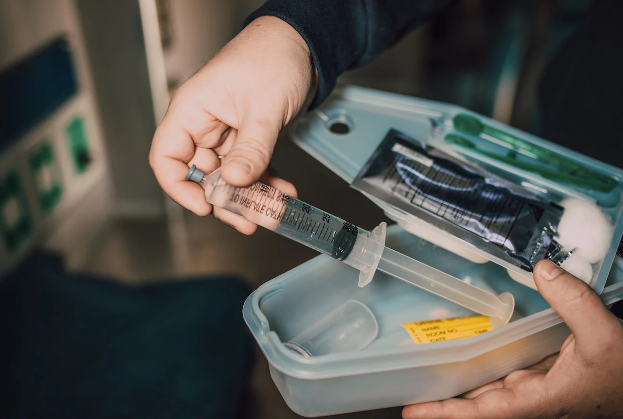
In modern healthcare, precise administration of medications and fluids is crucial for effective patient care. A catheter tip syringe is a specialized device that provides accurate delivery of solutions, particularly for use with catheters and feeding tubes. Its unique design ensures both safety and efficiency in clinical settings.
What is a Catheter Tip Syringe?
A catheter tip syringe is a type of syringe with a tapered, elongated tip designed to fit directly into a catheter or tube. Unlike standard syringes, it provides a secure connection without the need for a Luer lock, making it ideal for flushing or delivering fluids to specific sites.
Components of a Catheter Tip Syringe
- Barrel: Holds the medication or fluid to be administered.
- Plunger: Pushes the fluid through the syringe into the catheter.
- Catheter Tip: The tapered tip that fits securely into catheters, feeding tubes, or other medical devices.
- Graduation Marks: Indicate the volume of fluid for accurate dosing.
For further guidance, healthcare professionals can refer to catheter tip syringe resources.
Uses of Catheter Tip Syringes
Catheter tip syringes have multiple applications in healthcare, including:
- Flushing Catheters: Clears blockages and maintains catheter patency.
- Enteral Feeding: Administers nutrition or medications through feeding tubes.
- Medication Delivery: Ensures accurate dosing directly into catheters or tubes.
- Irrigation: Cleans wounds, medical devices, or body cavities.
- Laboratory Applications: Precise transfer of liquids for testing or analysis.
Advantages of Catheter Tip Syringes
- Secure Fit: Reduces leakage by fitting directly into catheters or tubes.
- Accurate Dosing: Graduation marks allow precise fluid measurement.
- Versatile: Suitable for irrigation, feeding, medication, and laboratory use.
- Safe: Minimizes risk of contamination and ensures controlled delivery.
See also: Fitness Gym: Achieving Your Health Goals Effectively
Proper Handling and Maintenance
- Use aseptic techniques to prevent infection.
- Ensure the catheter tip syringe is compatible with the device it connects to.
- Inspect the syringe for damage before use.
- Properly dispose of single-use syringes according to hospital protocols.
- Avoid excessive pressure when flushing or administering fluids to prevent catheter damage.
Troubleshooting Common Issues
- Leakage: Ensure the syringe tip is properly fitted into the catheter.
- Blockages: Flush carefully to avoid clogging or pressure build-up.
- Incorrect Dosage: Verify volume markings and administer slowly to ensure accuracy.
- Device Damage: Use only compatible syringes with specific catheters or feeding tubes.
FAQs About Catheter Tip Syringes
1. What is a catheter tip syringe used for?
It is used for delivering medications, flushing catheters, enteral feeding, irrigation, and precise liquid transfer in clinical and laboratory settings.
2. How does a catheter tip syringe differ from a standard syringe?
Unlike standard syringes, it has a tapered tip designed to fit securely into catheters or feeding tubes without the need for a Luer lock connection.
3. How should catheter tip syringes be maintained?
Single-use syringes should be disposed of after use, and reusable syringes must be cleaned and sterilized according to hospital protocols.
Conclusion
The catheter tip syringe is a vital tool in healthcare for delivering fluids accurately and safely into catheters or feeding tubes. Proper knowledge of its uses, handling, and maintenance ensures effective patient care and reduces the risk of complications. For more detailed information, healthcare professionals can consult catheter tip syringe resources.