Cats are obligate carnivores, which means their diet relies heavily on high-quality animal protein. Among the many protein sources, turkey liver stands out as a nutrient-dense option that provides essential vitamins and minerals. In this article, we’ll explore the benefits of turkey liver for cats, how to feed it safely, and why it can be a valuable addition to your cat’s diet.
Why Turkey Liver is Beneficial for Cats
Turkey liver is packed with nutrients that are essential for your cat’s overall health. Some of the most notable benefits include:
1. Rich Source of Protein
Protein is crucial for muscle development, tissue repair, and maintaining energy levels in cats. Turkey liver contains high-quality protein that is easily digestible, making it an excellent choice for maintaining a healthy feline diet.
2. Abundant in Vitamins
Turkey liver is a powerhouse of vitamins, particularly vitamin A, B vitamins (B12, B6, niacin, riboflavin, and folate). Vitamin A supports vision, skin health, and immune function, while B vitamins are essential for energy metabolism and red blood cell production.
3. High in Minerals
Key minerals such as iron, zinc, copper, and selenium are present in turkey liver. Iron is vital for preventing anemia, zinc supports immune function, copper helps with bone and connective tissue health, and selenium acts as a powerful antioxidant.
4. Supports Digestive Health
Turkey liver is easier to digest than some other protein sources. Its natural enzymes can aid in better nutrient absorption, making it particularly helpful for kittens, senior cats, or cats with sensitive stomachs.
How to Introduce Turkey Liver to Your Cat’s Diet
Adding turkey liver to your cat’s diet should be done gradually to prevent digestive upset. Here’s how:
1. Start Small
Begin with a small portion of cooked or raw turkey liver to see how your cat reacts. A teaspoon-sized amount mixed into their regular food is ideal for the first few days.
2. Observe Your Cat
Monitor your cat for any signs of digestive upset such as vomiting, diarrhea, or constipation. Most cats tolerate turkey liver well, but every cat is different.
3. Gradually Increase
If your cat responds well, gradually increase the portion to a few tablespoons per week. Turkey liver should complement, not replace, a balanced cat diet.
4. Maintain Variety
While turkey liver is nutritious, feeding it exclusively can lead to vitamin A toxicity or nutrient imbalances. Offer it alongside other protein sources like chicken, fish, or beef for a well-rounded diet.
Raw vs. Cooked Turkey Liver: Which is Better?
Raw Turkey Liver
Raw turkey liver retains all of its natural nutrients, including enzymes that can aid digestion. However, raw meat carries the risk of bacteria such as Salmonella or E. coli. Ensure it’s sourced from a trusted supplier and handled properly.
Cooked Turkey Liver
Cooking turkey liver reduces the risk of bacterial contamination. Light steaming or boiling preserves most nutrients while ensuring safety. Avoid frying or adding seasoning, as these can be harmful to cats.
How Often Should Cats Eat Turkey Liver?
Turkey liver is highly nutritious, but it should be fed in moderation. Generally, a small portion 1–2 times per week is sufficient. Overfeeding can lead to vitamin A toxicity, which may cause bone deformities, joint pain, or other health problems.
A balanced feeding plan includes a variety of proteins, and turkey liver can be a special treat or supplement to your cat’s regular meals.
Homemade Turkey Liver Treats
You can make simple, healthy turkey liver treats at home for your cat. Here’s a basic recipe:
Ingredients:
- 1/2 pound turkey liver
- 1 egg (optional)
- 1 teaspoon water or broth (unsalted)
Instructions:
- Preheat your oven to 350°F (175°C).
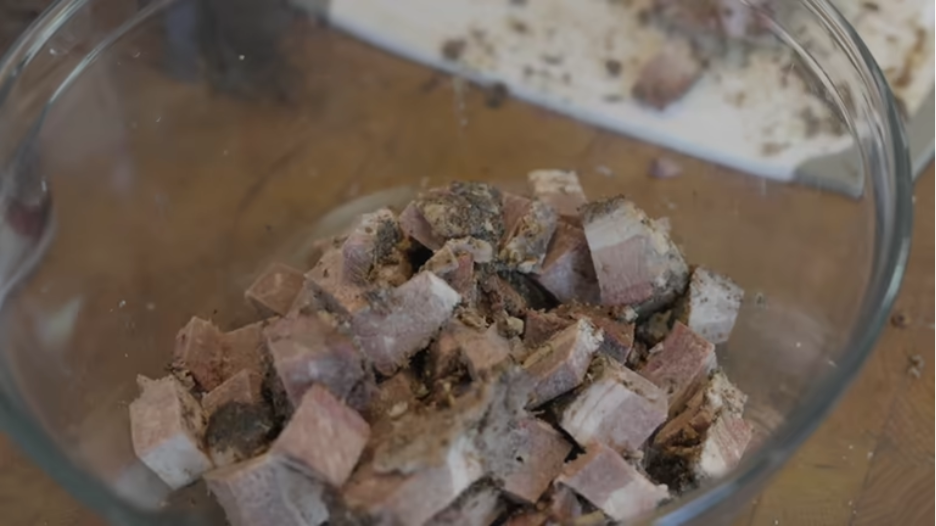
- Chop the turkey liver into small pieces.
- Mix with egg and a small amount of water or broth.
- Spread the mixture on a baking sheet lined with parchment paper.
- Bake for 15–20 minutes until firm.
- Let cool and break into bite-sized pieces for your cat.
These treats are nutrient-dense and can be stored in the fridge for several days.
Choosing the Right Turkey Liver Product
If you prefer a ready-made option, high-quality turkey liver cat treats are available online. One reliable choice is Wild Instinct Turkey Hearts Cat Treats, which combines quality protein with essential nutrients for your cat’s health. Always check for sourcing, ingredient transparency, and avoid artificial additives.
Signs Your Cat Will Love Turkey Liver
Cats are often naturally drawn to liver due to its strong aroma and taste. Here are some signs your cat may enjoy turkey liver:
- Eagerly sniffing and licking the food bowl
- Excited meowing around mealtime
- Enthusiastic eating behavior
- Asking for more by pawing or rubbing against you
If your cat refuses it, try mixing small amounts into their favorite wet food or offering it as a topper.
See also: Fitness Gym: Achieving Your Health Goals Effectively
Potential Risks and Precautions
While turkey liver is highly beneficial, it is important to feed it responsibly. Consider these precautions:
- Vitamin A Toxicity: Too much liver can cause excess vitamin A intake, leading to health issues such as joint pain or bone deformities.
- Allergies: Though rare, some cats may develop digestive sensitivity or allergies to turkey products. Start small and monitor.
- Bacterial Contamination: Raw liver can carry bacteria. Ensure proper handling, sourcing, and storage.
Conclusion
Turkey liver is a nutrient-packed, flavorful addition to your cat’s diet that provides high-quality protein, essential vitamins, and minerals. Whether fed raw, lightly cooked, or as part of healthy homemade treats, it can support your cat’s energy, immunity, and overall wellbeing.
For a convenient and safe option, consider high-quality turkey liver treats like Turkey Hearts Cat Treats to supplement your cat’s diet. Remember, moderation and variety are key to keeping your cat healthy, happy, and thriving.